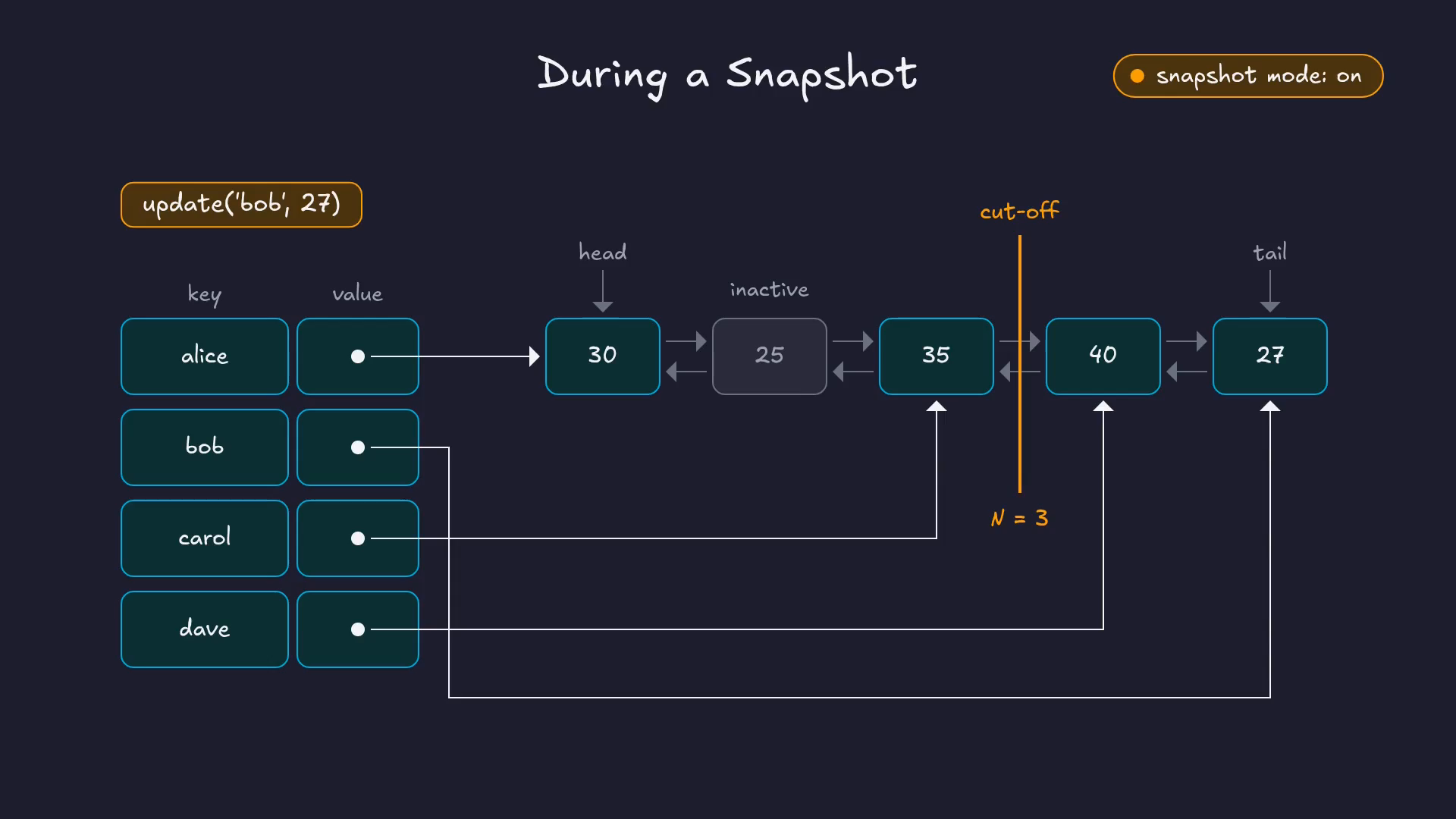
ClickHouse Keeper snapshots its in-memory state without blocking writes, using a hash map and a doubly linked list. The design, traced through the source.
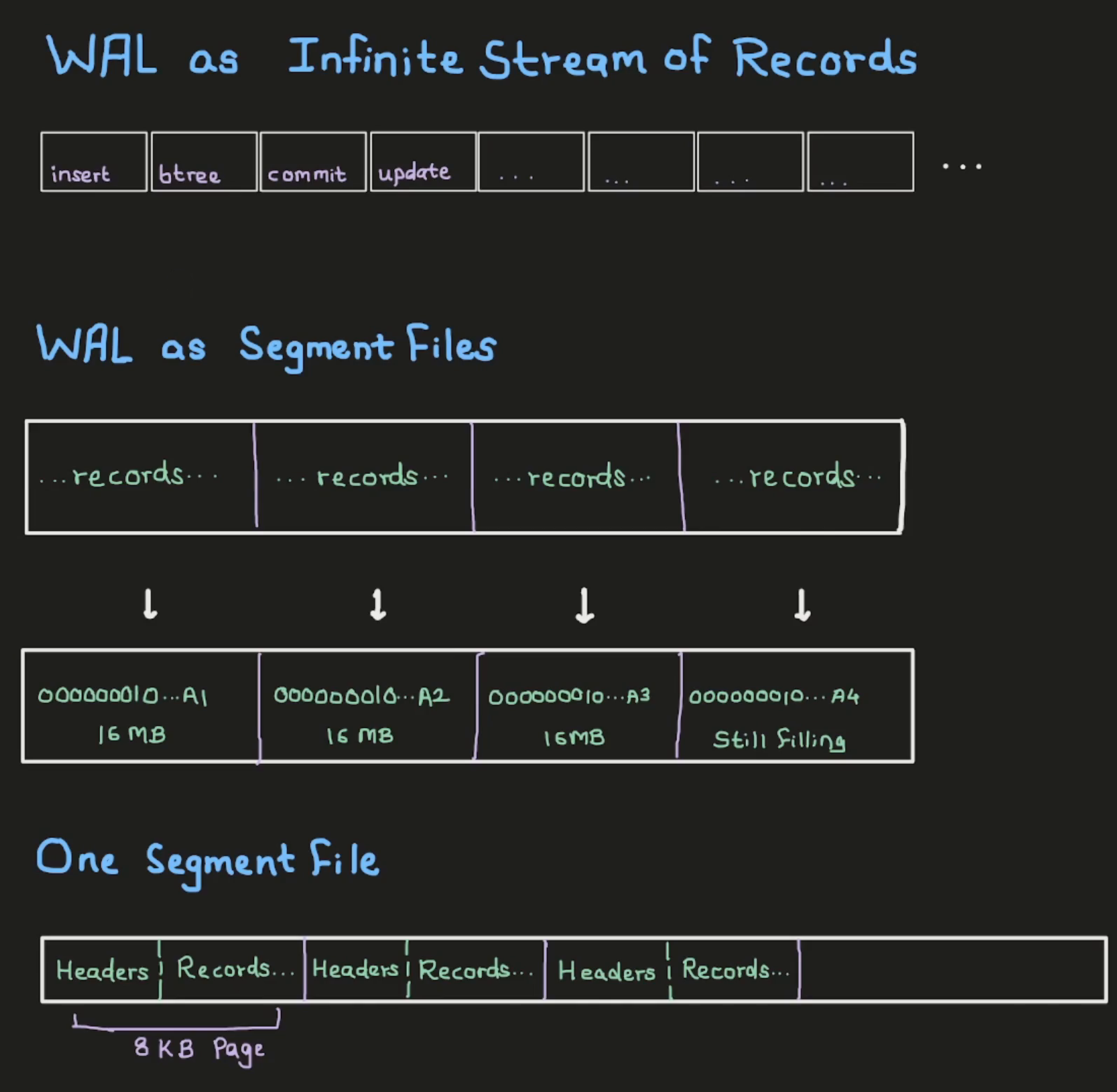
We insert one row into Postgres, find its WAL record on disk, read it with pg_waldump, and then trace how the Heap resource manager writes and replays it.
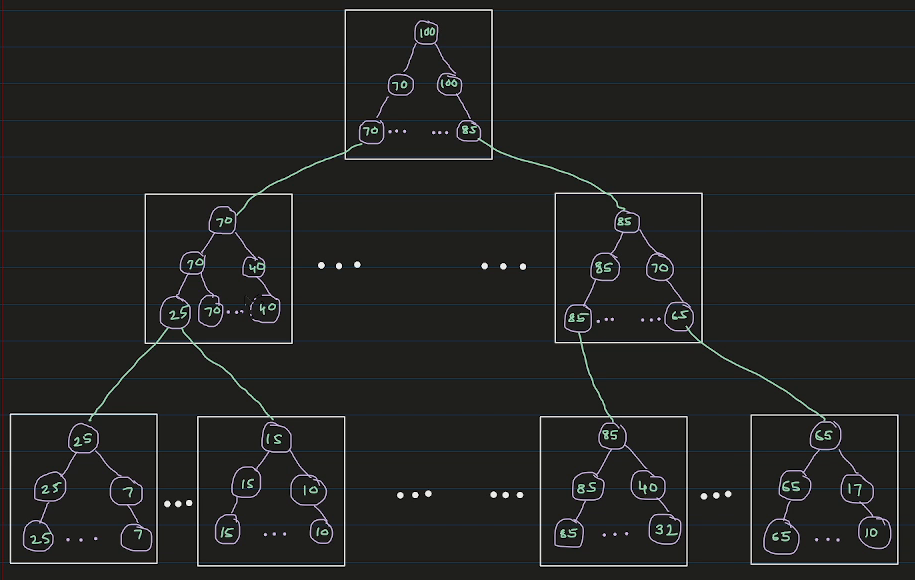
Every INSERT in Postgres needs a page with enough free space for that insert. Postgres finds such a page for the insert by reading just three pages of its Free Space Map, even for a table with millions of pages.
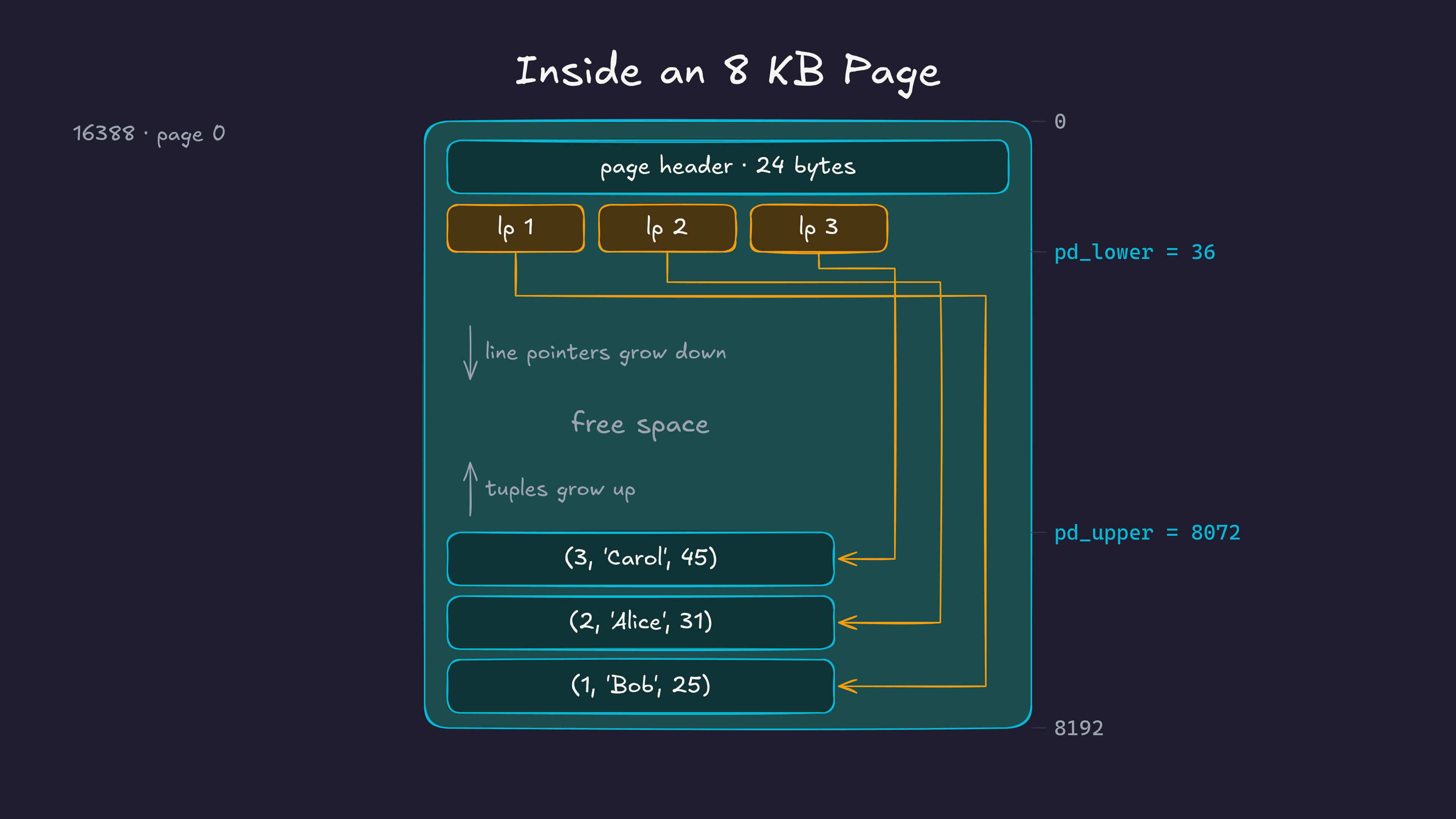
Data stored in postgres is persisted on disk. But how exactly? In this blog post, we trace an insert to its raw bytes on disk
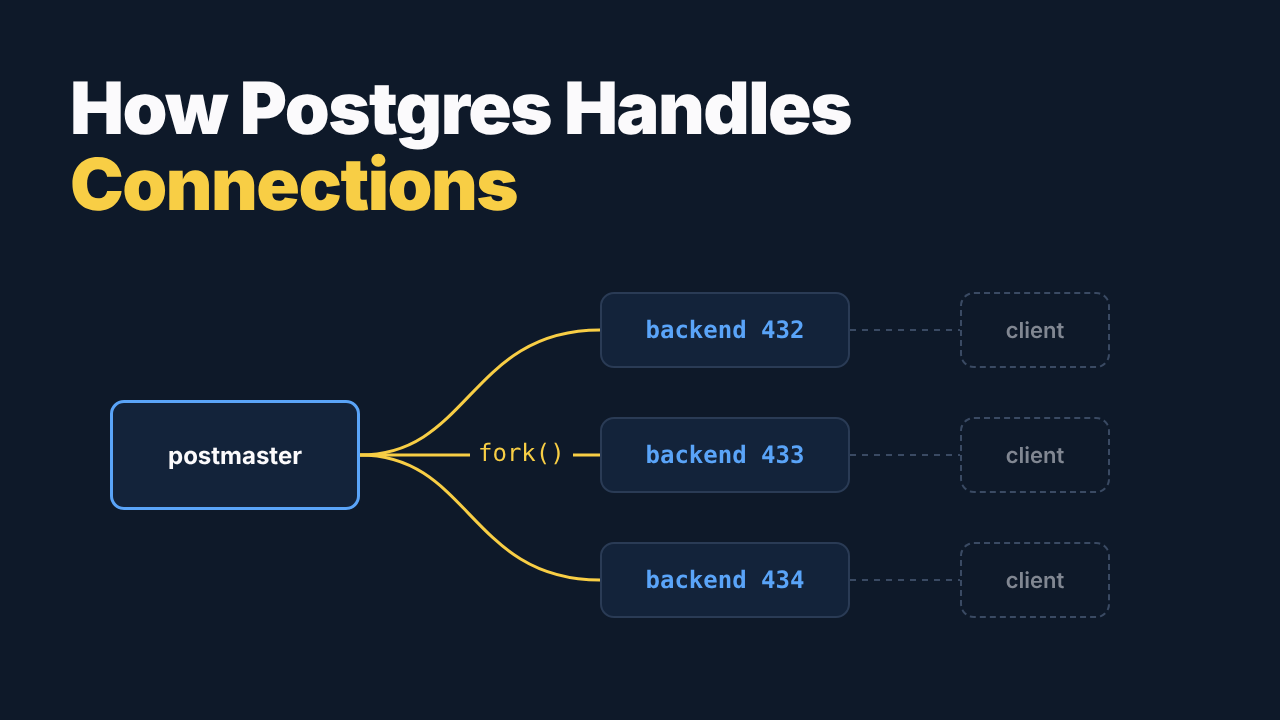
Postgres starts a separate process for every client connection. Here’s how that works, why it limits scale, and where it happens in the source code.
Subscribe on YouTube · Next post:
Get new posts by email: